Physical Address
304 North Cardinal St.
Dorchester Center, MA 02124
Physical Address
304 North Cardinal St.
Dorchester Center, MA 02124

When it comes to selecting the size and load capacity of a home lift, things are not always as straightforward as they seem. Your requirements—such as accommodating an electric wheelchair or supporting up to 500 kg—can drastically influence the type of lift you choose, as well as its energy usage, cost, and maintenance needs.
What sounds like a minor detail can quickly become a critical decision.
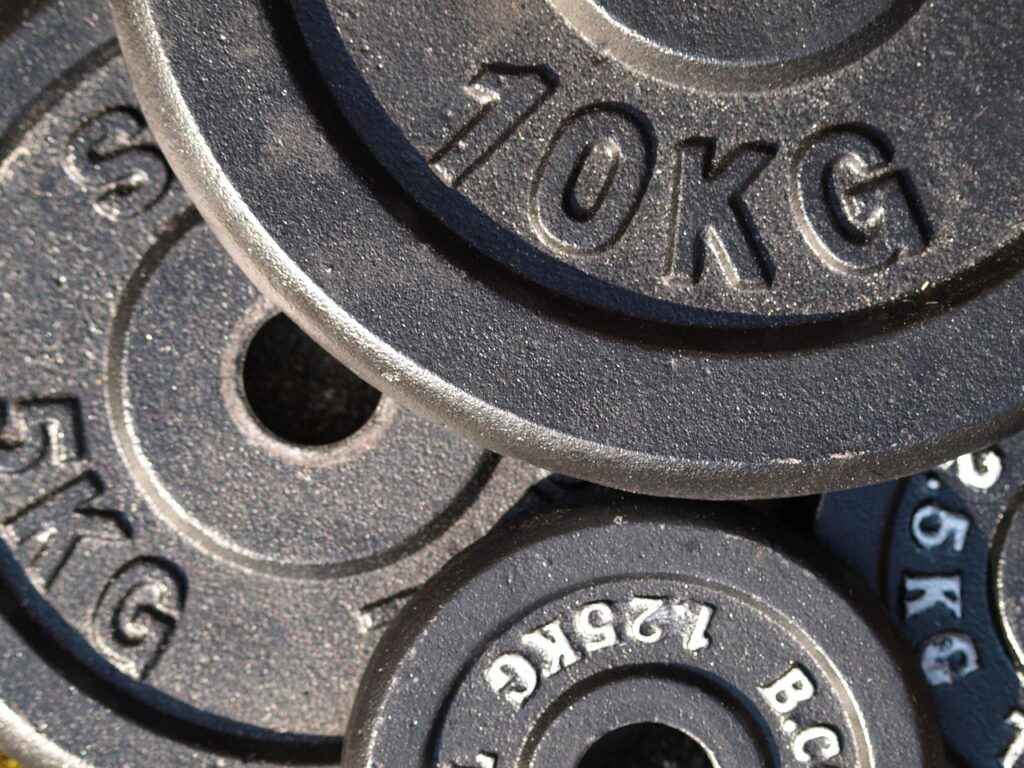
In most conventional elevators, the rated load is used as a guideline for how many people can ride. Typically, one person is estimated at 75 kg, so a 400 kg lift is advertised as holding five passengers (5 × 75 = 375 kg).
But here’s the catch: the numbers don’t tell the whole story. You might see a 500 kg home lift advertised for six people, yet the cabin could be so cramped that only two adults could realistically stand inside.
A more accurate measure is standing space. On average, you can expect about 3.5 people per square meter. So, if a lift offers 1.5 sqm of floor area, it can comfortably hold around five people. Conversely, a 500 kg lift with only 0.5 sqm of standing space would barely squeeze in two!
Always ask about the usable standing space—not just the weight rating—when evaluating a home lift.
A common misconception is that the cabin size and capacity are locked by the physical space you have. In reality, different technologies use available space more or less efficiently.
For wheelchair accessibility, both cabin space and door width are critical. Wheelchairs vary widely—compact, standard, sports, and electric models can range anywhere from 60 cm to 130 cm in width.
A typical 90 cm lift door may be fine for some but impossible for larger electric wheelchairs. Always measure your chair first, then consult with your lift provider to ensure the door opening and cabin size are suitable.
Generally, the greater the load capacity, the higher the power demand. Lifts designed for heavier loads may require a three-phase power supply, which many homes don’t have.
If your home only supports single-phase power, you may need to stick with lower-capacity options, usually around 300–400 kg. Realistically though, most households don’t need more than 300 kg capacity—sufficient for two or three people at a time, even in multi-generational homes.
That said, pay attention to motor efficiency. A lower-capacity lift should run on a modest 1.5–2.2 kW motor. Anything above 3 kW for a small home lift could drive your electricity bills unnecessarily high.
Choosing a home lift is not just about picking a weight rating off the spec sheet. Always evaluate standing space, door openings, available power supply, and your actual usage needs. Doing so will help you avoid expensive mistakes and ensure the lift truly fits your lifestyle.