Physical Address
304 North Cardinal St.
Dorchester Center, MA 02124
Physical Address
304 North Cardinal St.
Dorchester Center, MA 02124

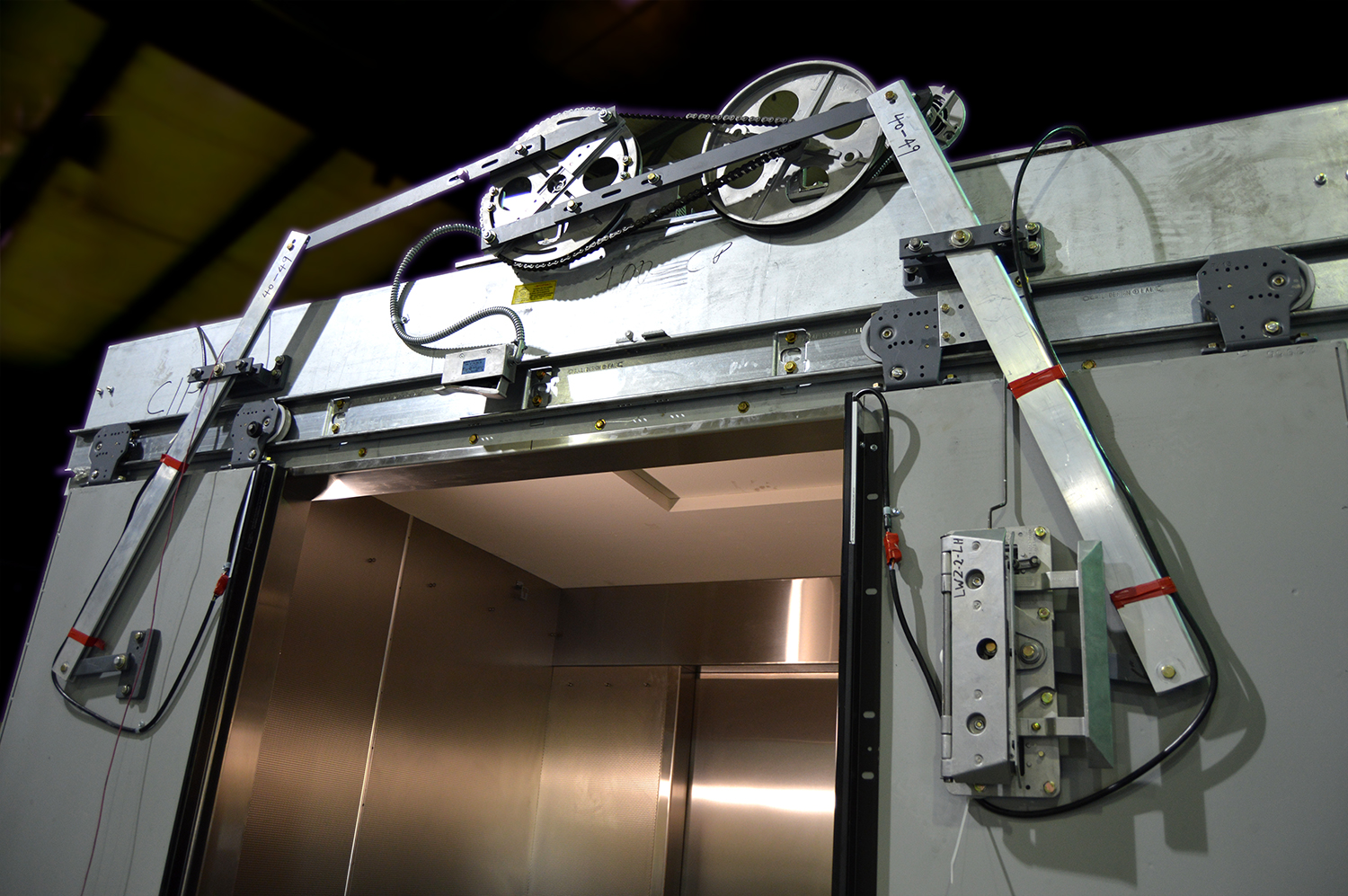
When most people imagine an elevator, the first image that comes to mind is sliding doors. They’re standard in commercial buildings, hotels, and office towers. But ask a few architects about them in the context of home lifts, and you’ll quickly hear a very different story: sliding doors are among the worst options you can choose.
Here are three reasons why architects advise against sliding doors in residential elevators.
As one architect in Phnom Penh put it, sliding doors are “space destructive.”
Why? Because they need extra room within the shaft for the panels to retract when the door is open. This means the shaft has to be significantly wider compared to alternatives like swing or saloon-style doors.
Even single-panel telescopic versions still waste valuable space—just less than their double-panel counterparts. Either way, of all the available door types, sliding designs are the most inefficient when it comes to using space.

A Bangkok-based architect explained the issue bluntly:
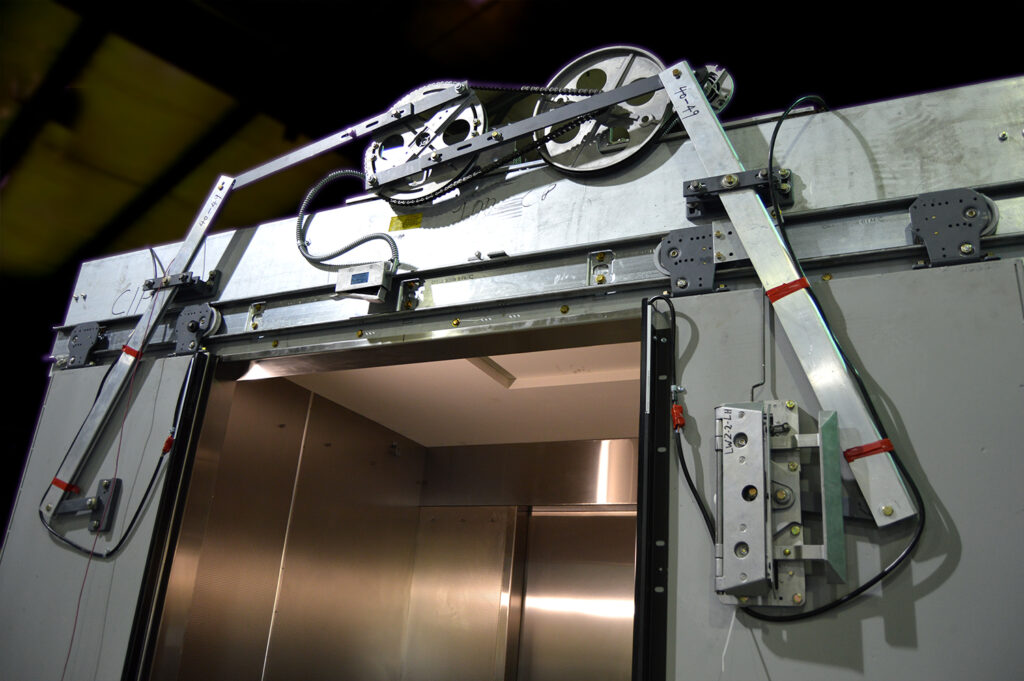
“Sliding doors have too many components. The more parts you add, the more things that can go wrong. That’s why people dislike automatic sliding doors in cars—they’re unreliable. And in elevators, when you see one out of service, nine times out of ten, it’s the doors.”
The complexity of sliding mechanisms is the problem. They rely on automatic systems to open and close, plus multiple moving sections to telescope together. Compare that to a simple swing door with two hinges, and it’s clear which one is more likely to fail.
More moving parts = more potential breakdowns.
An architect who once designed a Hard Rock Café highlighted another concern: safety.
According to him, the chain faced frequent lawsuits due to sliding doors causing injuries. Elderly users, wheelchair users, or even distracted children could get caught as the panels closed, often leading to bruises or worse.
Unlike swing doors that close away from the passenger, sliding panels move directly across the body—making accidents much more likely.

Although sliding doors dominate the commercial elevator industry, they are a poor fit for residential settings. They:
For homeowners and architects alike, simpler alternatives such as swing or saloon doors typically provide better safety, efficiency, and peace of mind.