Physical Address
304 North Cardinal St.
Dorchester Center, MA 02124
Physical Address
304 North Cardinal St.
Dorchester Center, MA 02124

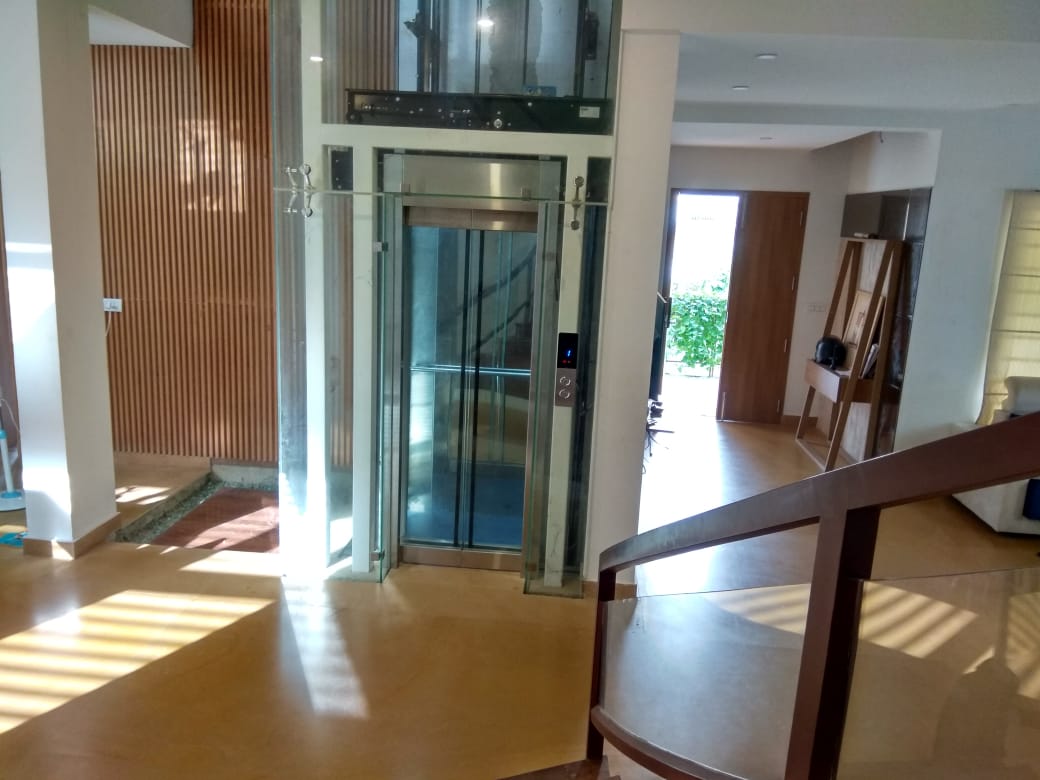
The term MRL lift stands for Machine Room Less lift, and it has transformed how elevators are designed and installed. To appreciate why, it helps to first look at how traditional lifts—like those in hotels or office towers—normally function.
Conventional traction lifts use heavy-duty steel cables to move the cabin, balanced by a counterweight. To operate these cables, large motors are needed. Traditionally, those motors sit inside a dedicated machine room, usually located above the shaft.
For perspective, even a “small” lift machine room can measure around 2 × 2 × 4 meters—a huge amount of space just for equipment.
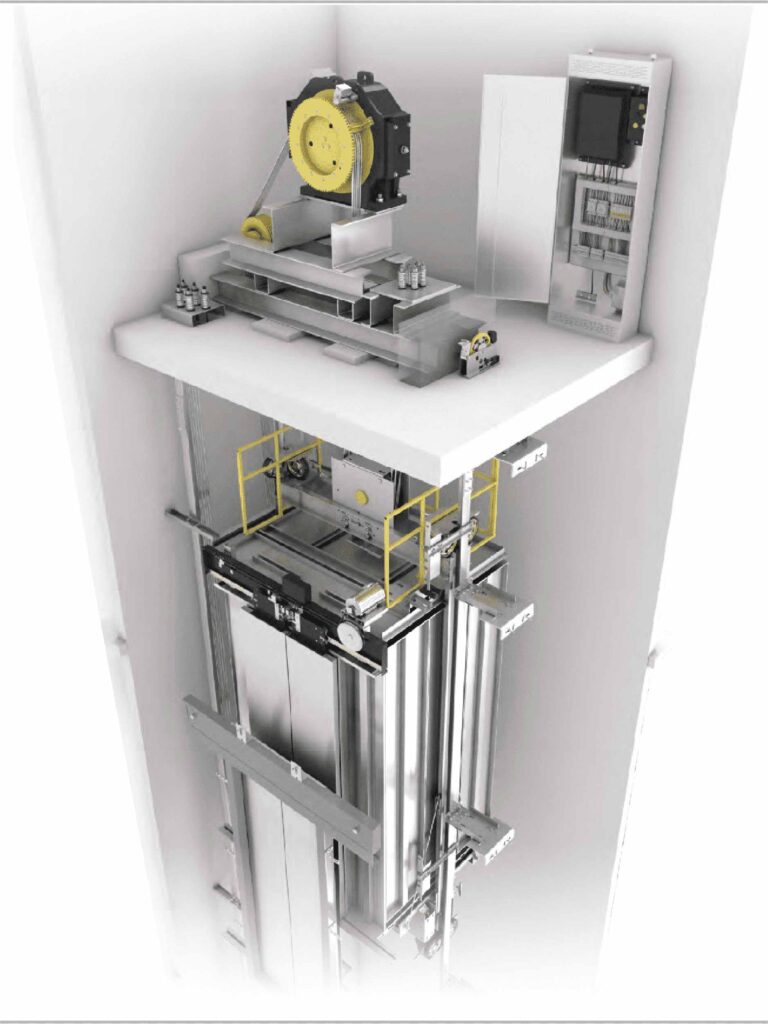
The obvious drawback of a machine room is how much space it consumes. Worse, it often limits where the lift can go. Think of rooftop venues: the elevator usually stops one level below, forcing you to climb the last flight of stairs. Why? Because the very top level is reserved for the machinery!
By contrast, MRL lifts eliminate or minimize the need for this separate room. This means the lift can travel all the way up to the roof level—perfect for homes where rooftop areas are used for entertaining, gardening, or family dinners. Carrying heavy items upstairs suddenly becomes a breeze.
And it’s not just about convenience. Many homeowners dislike the idea of altering their roof to create space for a machine room, since it can introduce risks like leaks or structural changes. With an MRL system, the shaft can stop just below the ceiling, requiring no extra construction.
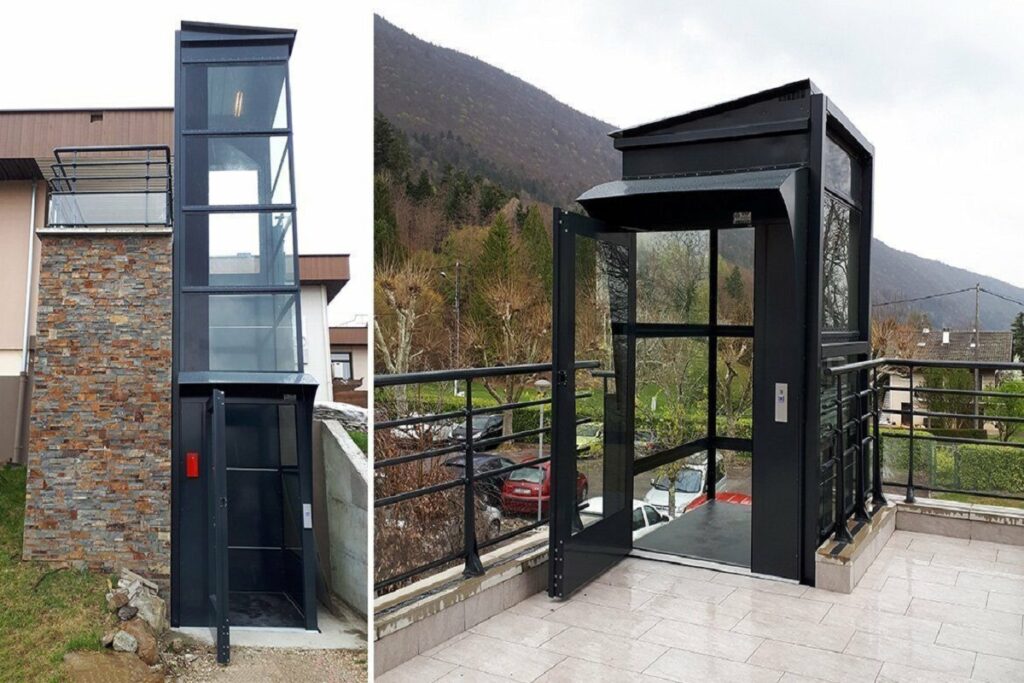
Here’s the catch: some so-called MRL lifts still require additional overhead clearance, also called headroom. This often happens with traction lifts, where extra space is needed for pulleys and safety devices above the cabin. Even hydraulic lifts can demand more headroom due to their design.
This leads to what some call “chimney lifts”—shafts that rise much higher than the cabin itself, simply to house the required equipment.
If you’re looking for a true space-saving MRL solution, screw-driven lifts are usually the best option. They can fit into very tight spaces: requiring only 2250 mm of headroom in a finished shaft, or as little as 1100 mm for half-gate models.
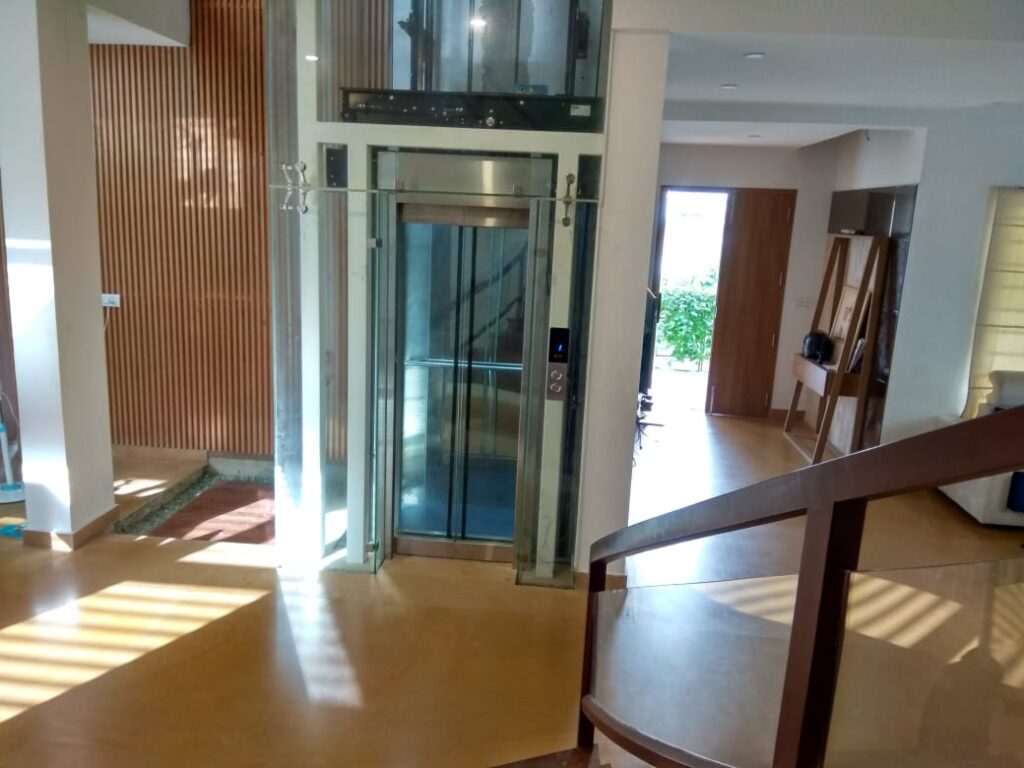
MRL lifts offer greater flexibility, eliminate bulky machine rooms, and allow for seamless access to rooftops or top floors without structural compromises. While many technologies claim to be machine-room-less, screw-driven designs often provide the most efficient and homeowner-friendly results.
If you want to maximize space and convenience in your home, an MRL lift may be the smartest investment you’ll make.